Could source of Chronic Inflammation be Hiding in your Mouth?
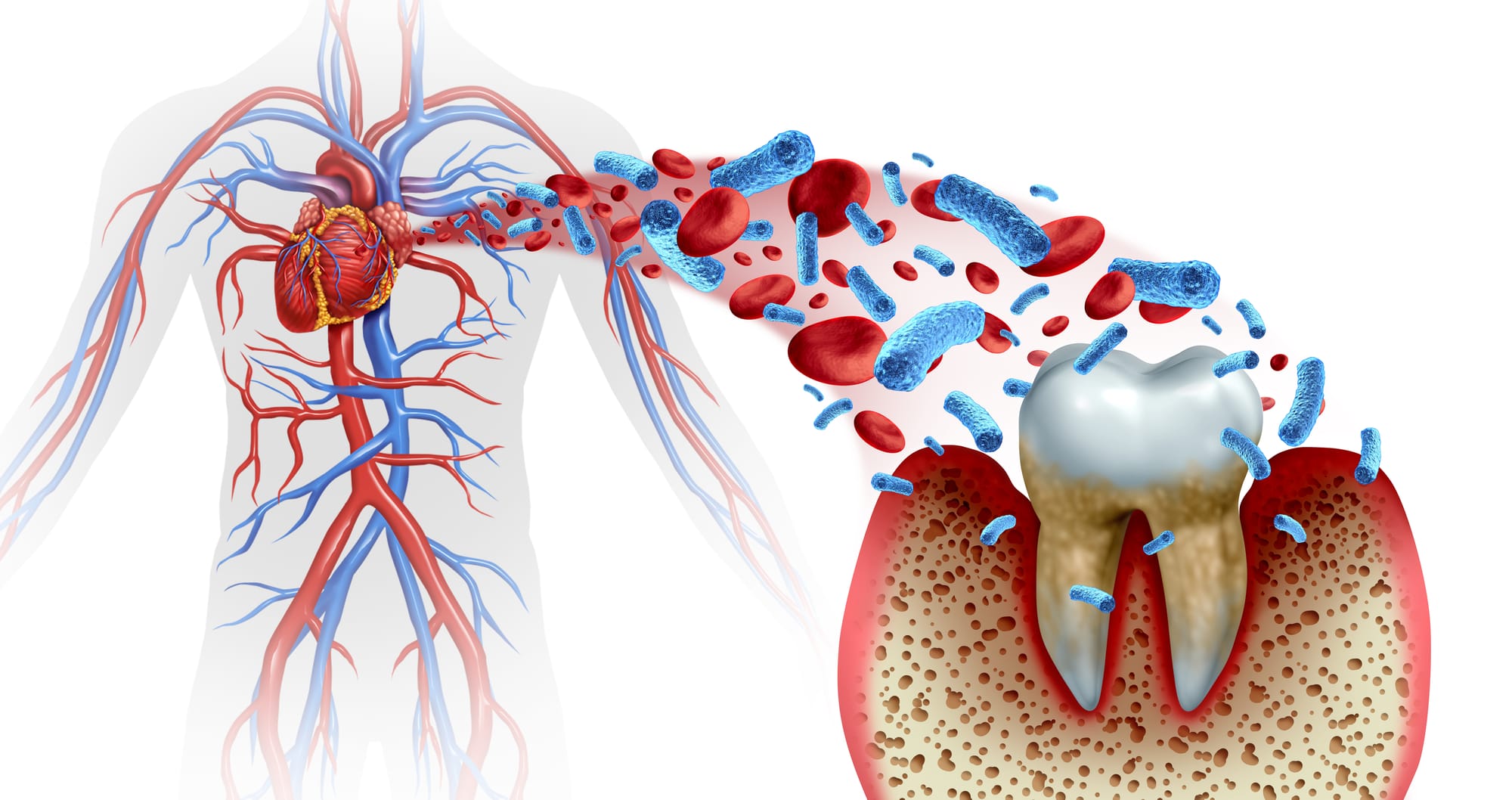
Yes, it can! Gum disease is one of the most common long-term inflammatory conditions in adults, and it rarely hurts. Many people live with it for years without knowing.Researchers now study the mouth as part of the whole body, not a separate compartment. This article explains how inflammation in the gums can reach beyond the mouth, what the evidence does and does not show, and what you can do about it.
What chronic inflammation is:
Chronic inflammation is the body's defence response left switched on at a low level for months or years. Short-term inflammation is helpful. It is the redness and swelling that heal a cut, and it settles once the job is done. The long-term kind is quieter. It often causes no obvious symptoms, yet it keeps immune messengers circulating in the blood. One of these, C-reactive protein (CRP), is a marker physicians sometimes measure. Persistently raised CRP has been linked with a higher risk of cardiovascular disease and type 2 diabetes. [2] Many things feed chronic inflammation, including smoking, excess abdominal fat, poor sleep, ongoing stress and long-standing infections. The gums are one place such an infection can sit unnoticed.
How gum disease reaches beyond the mouth:
Inflamed gum tissue gives bacteria and inflammatory signals a route into the bloodstream. The process usually unfolds in stages.
1. Biofilm builds up. Bacteria collect along and under the gumline.
2. The gums respond. They become red and bleed easily. This early stage, gingivitis, is generally reversible.
3. Pockets deepen. If inflammation continues, the space between tooth and gum deepens and the supporting tissue and bone begin to break down. This is periodontitis.
4. The barrier weakens. The lining of an inflamed pocket becomes thin and fragile. Bacteria and their by-products can pass into the blood, and the body answers with a wider immune response. None of this needs to hurt, which is why it is so often missed.It is also common.
In Statistics Canada's 2022 to 2024 survey, 83% of adults had bleeding on probing at one or more teeth. Just over one-third had gum pockets of 4 mm or more, up from about one in five in 2007 to 2009. [1]
What the research shows, and what it does not:
The link between gum disease and body-wide inflammation is well supported. Whether treating the gums prevents other diseases is far less certain.
| Area | What studies have found | How firm it is |
|---|---|---|
| Inflammation markers | A 2022 review of 26 trials with 2,579 participants found lower CRP six months or more after gum treatment. An earlier review described the drop as modest and short-term. [2][3] | Good evidence for an effect on markers |
| Blood sugar in diabetes | A Cochrane review of 35 trials found that gum treatment lowered HbA1c by about 0.43 percentage points at three to four months. [4] | Moderate certainty |
| Heart and blood vessels | A joint European periodontology and World Heart Federation report found independent associations between severe gum disease and cardiovascular disease. [5] | Association only; cause not established |
Two cautions keep this in perspective. First, an association is not proof of cause. Gum disease and heart disease share risk factors such as smoking, diabetes and stress. Second, trials have not shown that gum treatment prevents heart attacks or strokes. A 2025 review in the British Dental Journal drew the same picture across the body. It described the two-way relationship with diabetes as well established. It also reported links with heart and blood vessel disease, lung conditions, chronic kidney disease, rheumatoid arthritis, pregnancy outcomes and Alzheimer's disease. For most of these, the authors found the evidence inconclusive and called for more research into cause. [7]
Other places inflammation can hide:
The gums are the most common site, but not the only one.
- Around the root tip of a tooth. A long-standing infection at the end of a root can be painless and is usually found on a radiograph. A review of 20 studies found higher blood levels of CRP and interleukin-6 in people with this condition. The studies varied widely, so the finding is not settled. [6]
- Around dental implants. The tissue around an implant can become inflamed in much the same way as gums around a tooth.
- Around partly erupted wisdom teeth. A flap of gum over a tooth can trap bacteria and stay irritated.
Root and implant concerns are diagnosed by a dentist. If we see signs of one during your visit, we will refer you.
Signs worth noticing:
Bleeding is the earliest and most reliable sign that gum tissue is inflamed. Healthy gums do not bleed with gentle brushing or flossing.
- Bleeding when you brush, floss or eat
- Red, puffy or tender gums
- Bad breath or a bad taste that keeps returning
- Gums that appear to be receding
- Teeth that feel loose or have shifted
Many people have none of these. Measuring pocket depths and bleeding points at a hygiene visit is how hidden inflammation is found.
What helps: a whole-body approach:
Calming gum inflammation takes both professional care and daily habits, because the mouth reflects what is happening in the rest of the body.
- Know your numbers. Ask for your pocket depths and bleeding score, and track them over time.
- Remove the source. Professional cleaning above and below the gumline disrupts the biofilm that drives inflammation.
- Clean between teeth daily. Brushing alone misses the surfaces where gum disease usually starts.
- Eat to lower inflammation. Favour whole foods, vegetables and healthy fats, and cut back on refined sugars.
- Support saliva. Stay hydrated and breathe through your nose where you can.
- Look at the wider picture. Smoking, blood sugar, sleep and stress all affect how gums heal.
- Connect your care. If you live with diabetes or heart disease, tell both your hygienist and your physician about your gum health.
Healthy gums are one part of overall health. Caring for them does not replace medical care for any other condition.
Common questions
My gums do not hurt. Could I still have gum disease? Yes. It is usually painless until it is advanced.
Can a blood test show whether my gums are the cause? No. CRP shows that inflammation is present somewhere in the body, not where it comes from.
Is gingivitis reversible? In most cases, yes, with professional care and consistent home care.
Will treating my gums lower my risk of heart disease? That has not been shown. Treatment can lower inflammation markers, but trials have not confirmed fewer heart attacks or strokes. [2][5]
I have diabetes. Does gum care matter more for me? It matters in both directions. Gum treatment has been shown to modestly improve blood sugar control. [4]
How often should I have my gums checked? It depends on your own risk. We set an interval with you after an assessment.If it has been a while since your gums were measured, book an assessment and ask for your numbers.
References:
1. Statistics Canada. New direct measures suggest more adults are keeping their teeth, but gum health is declining, 2022 to 2024. The Daily. December 1, 2025.
2. Demmer RT, et al. The influence of anti-infective periodontal treatment on C-reactive protein: a systematic review and meta-analysis of randomized controlled trials. PLoS ONE. 2013;8(10):e77441.
3. Luthra S, et al. Treatment of periodontitis and C-reactive protein: a systematic review and meta-analysis of randomized clinical trials. Journal of Clinical Periodontology. 2022.
4. Simpson TC, et al. Treatment of periodontitis for glycaemic control in people with diabetes mellitus. Cochrane Database of Systematic Reviews. 2022.
5. Sanz M, et al. Periodontitis and cardiovascular diseases: consensus report. Journal of Clinical Periodontology. 2020;47(3):268-288.
6. Georgiou AC, et al. Apical periodontitis is associated with elevated concentrations of inflammatory mediators in peripheral blood: a systematic review and meta-analysis. Journal of Endodontics. 2019;45(11):1279-1295.7. Tattar R, Dias Carvalho da Costa B, Neves VCM. The interrelationship between periodontal disease and systemic health. British Dental Journal. 2025;239(2):103-108. doi:10.1038/s41415-025-8642-2